Essential Steak Cooking Times for Perfectly Cooked Beef
We may earn a commission through all links on this website. As an Amazon Associate, we earn from qualifying purchases.The art of cooking steak – a culinary delight that never fails to impress. Whether you’re a seasoned chef or a culinary novice, knowing the perfect cooking time for your steak can elevate your cooking experience to new heights. With so many different cuts and thicknesses to choose from, it’s easy to get overwhelmed by the sheer variety of options available.
But fear not, dear readers, for we’re about to take a closer look at the ideal cooking times for some of the most popular steak cuts, so you can cook up a mouth-watering masterpiece that will make your taste buds sing.
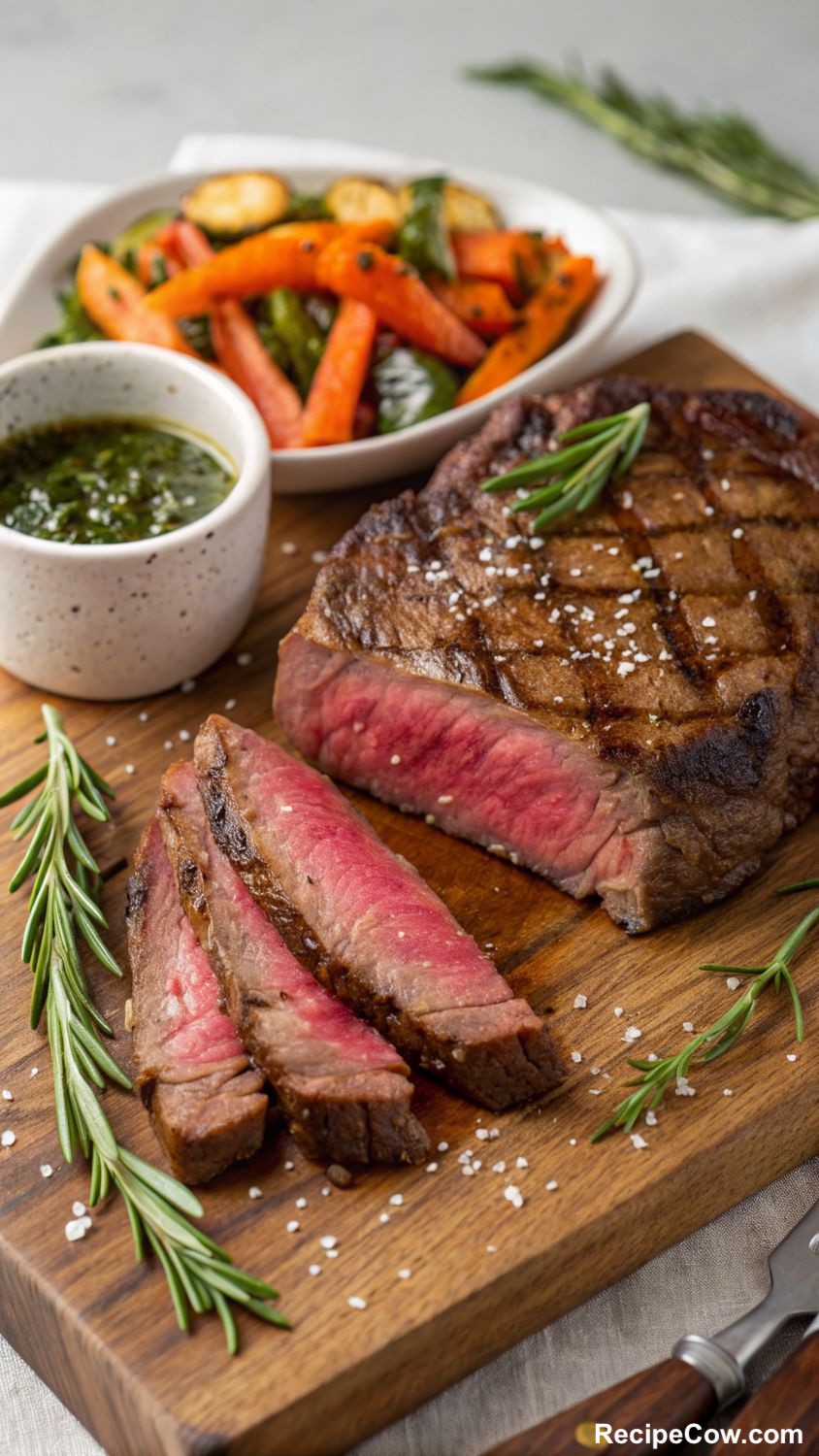
Cooking the perfect steak is both an art and a science. Achieving that ideal balance of a flavorful, caramelized crust and a juicy, tender interior depends on understanding doneness levels, using accurate internal temperatures, and accounting for variables like steak thickness, cut, and cooking method. While times are helpful guidelines, a reliable instant-read meat thermometer is your most important tool for consistent results.
Understanding Steak Doneness Levels
Doneness is best measured by internal temperature, taken in the thickest part of the steak, away from bone or fat. The USDA recommends cooking steaks to a minimum internal temperature of 145°F (63°C) followed by a 3-minute rest for safety, but many prefer lower temperatures for rarer doneness based on personal taste.
Here are the common temperature ranges (final temperature after resting):
- Rare: 120–130°F (49–54°C) — Cool red center, very juicy and tender.
- Medium-Rare: 130–135°F (54–57°C) — Warm red center; the most popular choice for flavor and texture.
- Medium: 140–150°F (60–66°C) — Pink center, firmer with good juiciness.
- Medium-Well: 150–160°F (66–71°C) — Slight pink, becoming drier.
- Well-Done: 160°F+ (71°C+) — No pink, fully cooked through (least juicy).
Pro Tip: Remove the steak from heat 5–10°F below your target temperature. It will continue cooking (carryover) during the 5–10 minute rest.
Grilling Times (High Heat, ~450–500°F Grill)
Assume steaks are at room temperature, patted dry, and about 1-inch thick unless noted. Times are per side for direct heat.
- 1-inch thick:
- Rare: 3–4 minutes per side
- Medium-Rare: 3.5–5 minutes per side
- Medium: 4–6 minutes per side
- 1.5-inch thick (thicker cuts benefit from the reverse-sear method: indirect heat first, then sear):
- Medium-Rare: 4–6 minutes per side after initial indirect cooking
- Medium: 5–7 minutes per side
For very thick steaks (>1.5 inches), sear 1–2 minutes per side over high heat, then move to indirect heat until desired temperature.
Pan-Searing Times (Cast Iron Skillet, High Heat)
Use a heavy skillet preheated until smoking hot with a high-smoke-point oil (or clarified butter). Baste with garlic, butter, and herbs in the final minutes for extra flavor.
For a ~1-inch thick steak:
- Rare: ~1.5–2 minutes per side
- Medium-Rare: 2–3 minutes per side
- Medium: 2.5–4 minutes per side
- Well-Done: 4–6+ minutes per side
Reverse Sear Method (excellent for thick cuts): Cook low-and-slow in the oven at ~225–275°F until 10–15°F below target, then sear 1–2 minutes per side in a blazing hot pan for the perfect crust without overcooking the interior.
Key Variables That Affect Cooking Times
- Thickness: Add roughly 1–2 minutes per side for every additional ½ inch.
- Starting Temperature: Always let steaks sit out 30–60 minutes to reach room temperature for even cooking.
- Cut: Leaner cuts like tenderloin cook faster than fattier ribeyes.
- Altitude/Weather: Outdoor grilling may need adjustments in cold or windy conditions.
- Resting: Always rest 5–10 minutes tented loosely with foil. This redistributes juices.
Essential Tips for Steak Perfection
- Pat Dry & Season Generously — Moisture is the enemy of crust. Salt at least 40 minutes ahead (or just before cooking) and use plenty of black pepper.
- High Heat is Crucial — Whether grilling or pan-searing, you need intense heat for Maillard browning.
- Don’t Overcrowd or Move Too Much — Give steaks space and resist flipping constantly.
- Use a Thermometer — Timing is approximate; temperature is precise.
- Quality Matters — Start with good marbling (like USDA Prime or Choice) for the best results.
Mastering these cooking times and techniques will elevate your steak game dramatically. Experiment with different cuts and methods, but always prioritize internal temperature over the clock.
Your perfectly cooked beef awaits!